
.png)
Sukkah Tapestries & Wall Hangings
A tapestry does what a poster cannot — it covers a whole wall at once, and fabric moving slightly in the air feels like a room rather than a tent. One large Kotel or Yerushalayim hanging is often all a sukkah wall needs, with everything else arranged around it.



Ushpizin + Seven Species Banner
This 24 x 48 in banner links the Ushpizin to the seven species and has grommets for hanging.
Shop @Amazon →
Golden Jerusalem Tapestry
This 19 x 23 in framed canvas print portrays Jerusalem in golden sunrise light.
Shop @Amazon →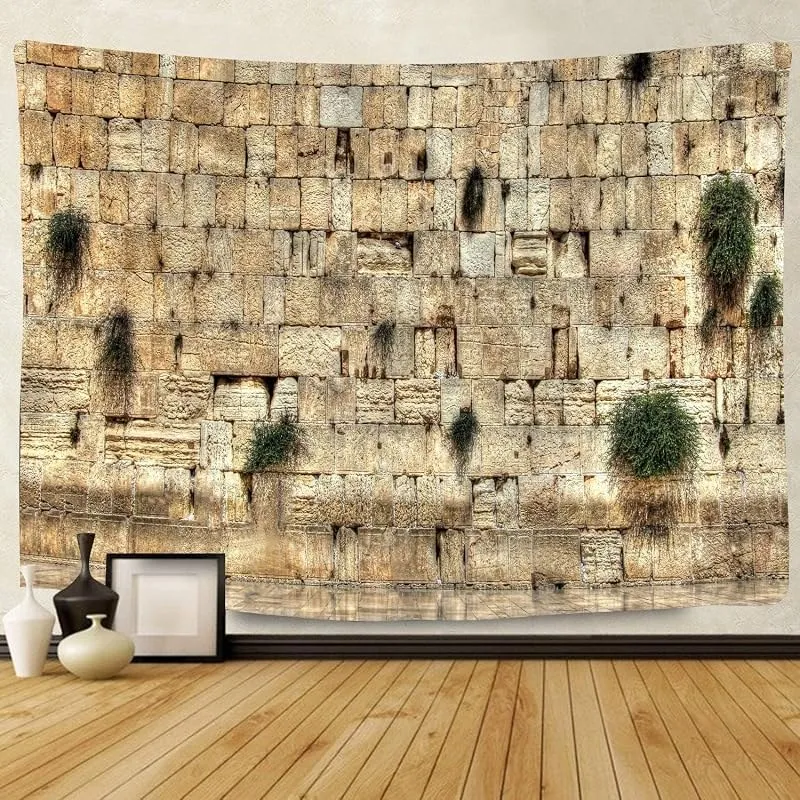
Kotel Tapestry
This 80 x 60 in Western Wall tapestry is screen-printed polyester, washable and easy to hang.
Shop @Amazon →
Modern Kotel Tapestry
This 60 x 80 in Kotel mural is made of UV- and waterproof polyester with grommets for hanging.
Shop @Amazon →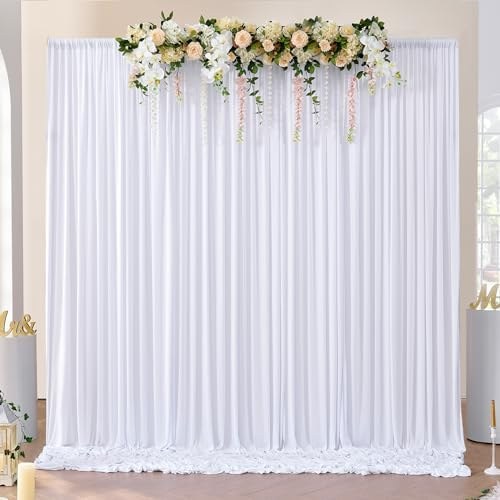
Sheer White Backdrop
This two-panel backdrop curtain set totals 10 x 10 ft with a 4 in rod pocket for easy hanging.
Shop @Amazon →
Rachel's Tomb Tapestry
This 36 x 48 in sukkah mural print is made of vinyl with non-fading archival ink.
Shop @Amazon →
Shabbat Afternoon Walk in Jerusalem
This 36 x 72 in sukkah mural print is printed on vinyl with non-fading archival ink.
Shop @Amazon →
Second Temple Tapestry
This 48 x 72 in sukkah mural print is reproduced on vinyl with non-fading archival ink.
Shop @Amazon →
Birkat Kohanim Tapestry
This 36 x 72 in sukkah mural print is printed on vinyl with archival ink.
Shop @Amazon →

Sukkah tapestry questions

What size tapestry do I need for a sukkah wall?
Measure the wall and aim to cover roughly two-thirds of its width, centered, leaving the frame visible at the edges — a hanging stretched wall-to-wall tends to sag in the middle. For a standard 8-foot wall, that is a piece around 5 to 6 feet wide.
How do you hang a tapestry in a sukkah?
From the top frame rail, at four or more points so the weight is spread and the fabric hangs flat. Grommets with cable ties or S-hooks are the most secure; clips work on lighter pieces. Fixing the bottom corners as well stops the whole thing lifting when the wind comes through the doorway.
Will fabric wall hangings be ruined by rain?
They should not be left soaking. Fabric holds water in a way laminate does not, so in an exposed sukkah hang tapestries on the most sheltered wall, and take them down if serious rain is coming. Dry them fully before storage — a damp tapestry folded into a box is how you lose one.
Tapestries or posters — which is better for a sukkah?
Both, and most sukkahs use both. A tapestry sets the tone on the main wall; posters fill the smaller walls and are easier to swap year to year. If the budget only stretches to one, a single large tapestry on the wall you face at the table changes the room more.

.png)
.png)
.png)
